
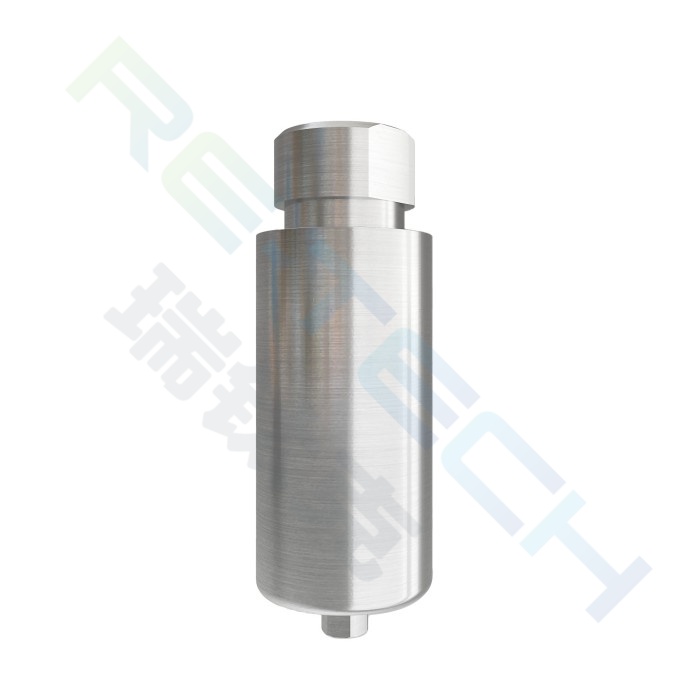
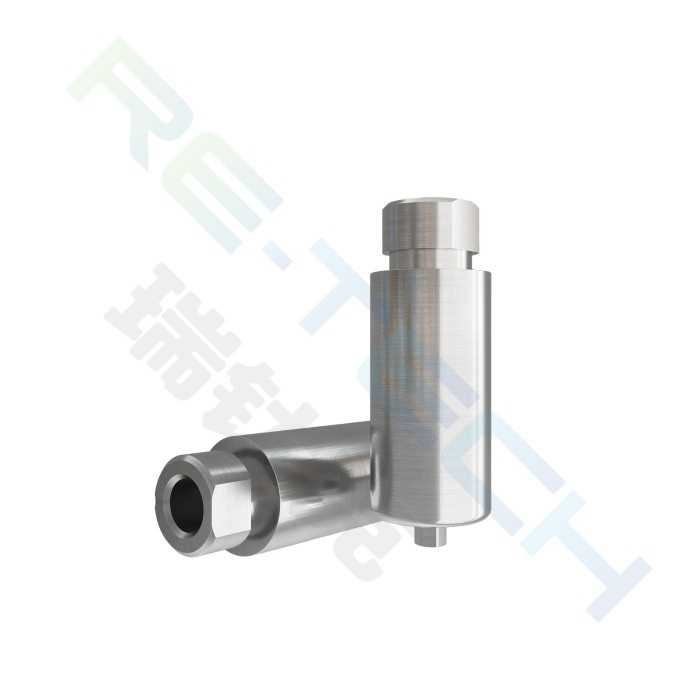
type:11190110
Platform:
BG-SEM-3.25/3.75-10C
We can customize it privately, if you have any needs, please contact us!
Pre-milled Ti-blanks compatible with Bego™
Product Overview
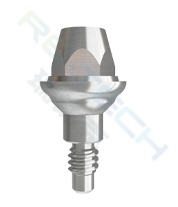
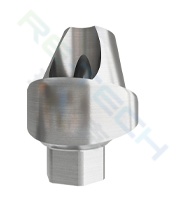
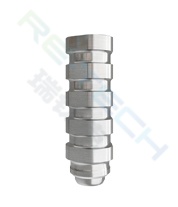
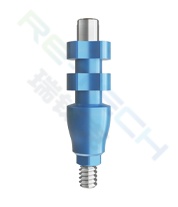
Pre-milled Ti-blanks compatible with Bego™ fit Bego implant platforms. They are prefabricated titanium substrates for custom abutment fabrication in CAD/CAM machining centers. The bottom implant interface is pre-formed with high precision. Only the upper section of the blank requires milling to fabricate one-piece abutments, suitable for all kinds of routine implant restoration scenarios.
Product Material
Medical-grade TC4 titanium alloy with dense and stable structure. It features good corrosion resistance, favorable biocompatibility and stable occlusal fatigue resistance.
Main Specifications & Parameters
Multiple blank diameters and milling heights are available, matching all interface specifications of the Bego platform and compatible with mainstream dental milling machines and CAD design software.
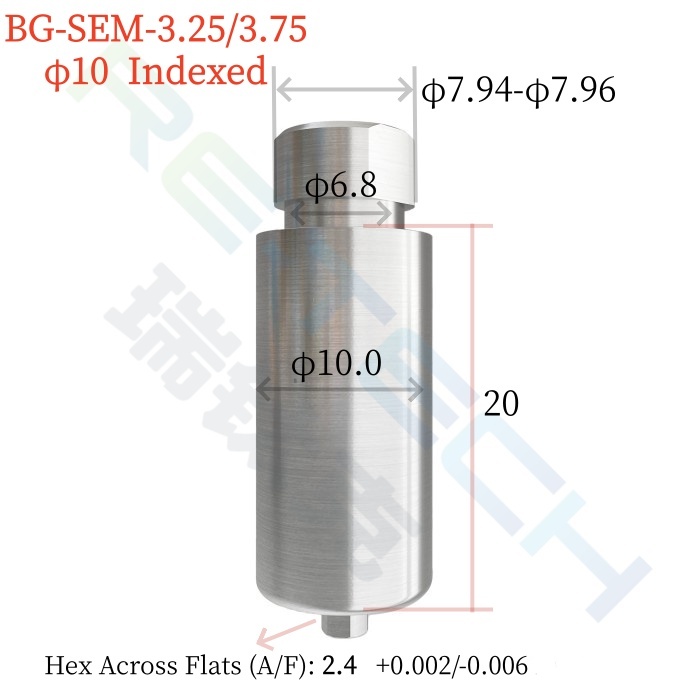

Other Available Specifications
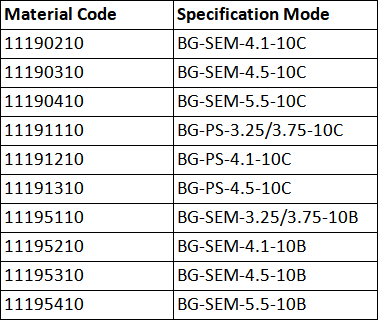
(For more specifications, please refer to the product catalog or contact our customer service.)
Scope of Application
Compatible with Bego implant platforms for dental laboratories to digitally mill custom abutments. Used for single-tooth and multi-unit fixed bridge restorations, it can handle platform-shifting restoration cases.
Product Advantages
The prefabricated interface is finished in one precision machining operation with no re-cutting required, achieving tight fit between implant and abutment and lowering the risk of interfacial micro-leakage.
Built-in positioning structure enables easy digital clamping and alignment. It delivers good machining repeatability and reduces manual dimensional deviations.
Ample cutting allowance reserved to support customized emergence profiles, adapting to gingival soft tissues of varying thicknesses.
Sufficient substrate strength withstands continuous posterior occlusal loads and ensures long-term restoration stability.
Fine adjustment of screw channel angle is supported, balancing anterior aesthetic outcomes and prosthetic structural strength.
Reduced milling procedures cut tool wear, making it suitable for mass production in dental laboratories and improving delivery efficiency.

 Contact Us